Raised beds on contaminated urban soil: lead thresholds, barriers and upkeep
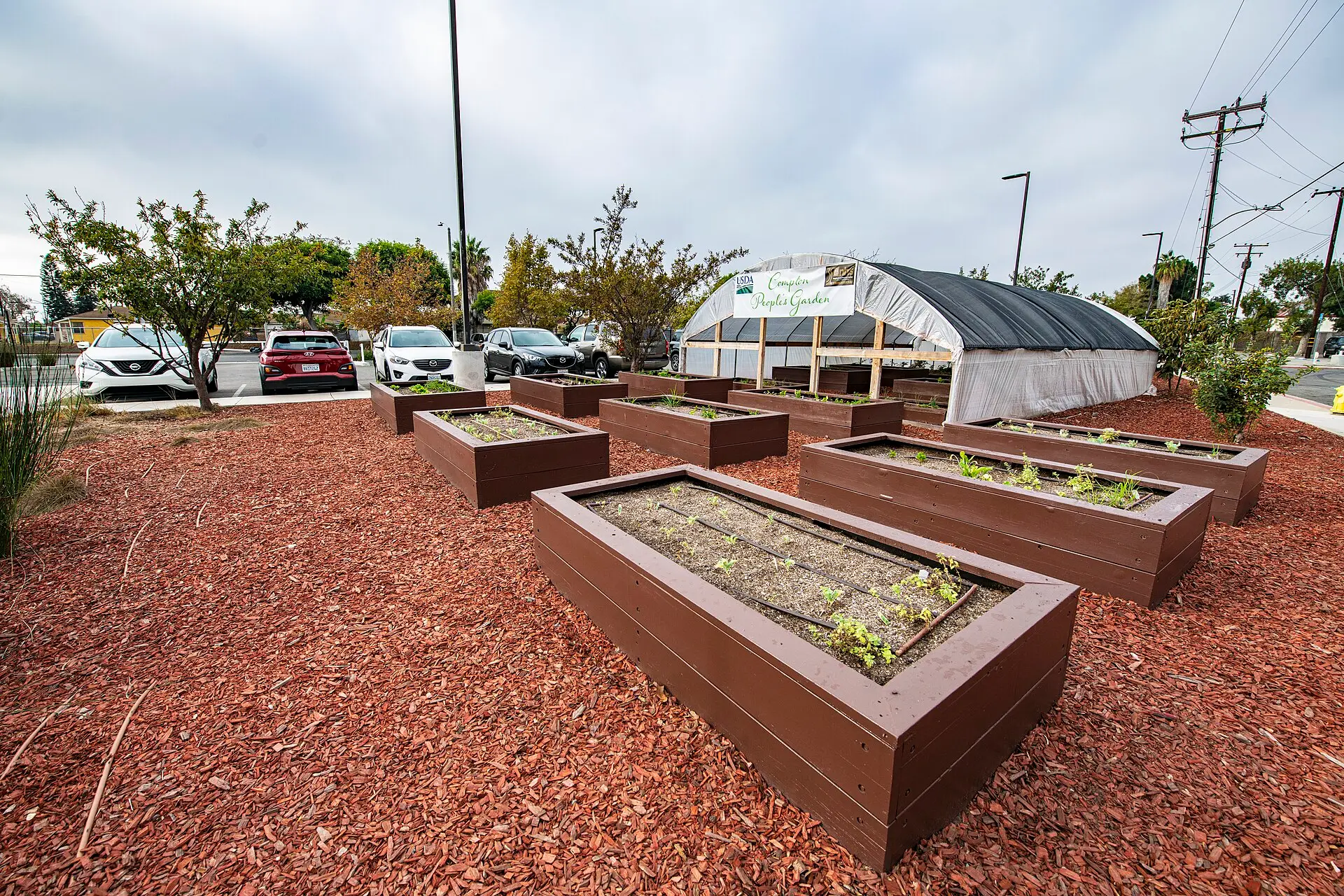
Test the soil for lead first. EPA advice: near 200 ppm, root and shallow crops can stay in the ground; from 200 to 400 ppm, grow in raised beds of clean soil and compost; above 400 ppm, use only beds with at least 16 inches (41 cm) of clean soil over garden fabric, or containers. Beds slowly recontaminate, so top them up yearly.

Key points
- Soil lead is reported in ppm, which equals mg/kg. EPA lowered its residential screening level from 400 to 200 ppm in January 2024, and to 100 ppm where there are several lead sources.
- EPA garden tiers: below about 200 ppm, in-ground growing with care; 200 to 400 ppm, raised beds; above 400 ppm, raised beds with 16 in (41 cm) of clean soil on fabric, or containers.
- Illinois Extension prefers a non-woven geotextile to woven landscape fabric and suggests at least 24 in (61 cm) of clean media when building over contaminated ground.
- In 141 Boston gardens, lead in raised beds rose from 150 to an average of 336 ppm over 4 years, carried in by wind-blown dust. Beds reduce exposure; they do not end it.
- Fruiting crops take up the least lead, leafy greens more, root crops the most in contact with soil. Peel roots, wash greens, mulch paths and keep pH at 6.5 to 7.5.
Why urban soil needs testing before a raised bed goes in
Urban soil is worth testing before any food is grown in it, because lead from old paint, past traffic emissions and demolition dust builds up in the top layer and does not break down. University of Illinois Extension reports a citywide median of 220 ppm lead across 1,151 Chicago soil samples, which is above EPA’s current residential screening level of 200 ppm. More than half of the samples, in other words, sat above the point where EPA now suggests a closer look.
The main exposure route is not the vegetables. The Boston study described below estimated that produce accounted for about 3 percent of a child’s daily lead intake from a garden, while fine soil particles (under 100 micrometres) accounted for about 82 percent. Dust swallowed from hands, toys and shoes matters more than a tomato. That is why the practical goal of a raised bed on contaminated ground is to put a thick, clean, covered layer between people and the old soil, then keep it clean.
This page covers lead, the contaminant all of the sources below deal with. Other contaminants call for a lab test and site-specific advice, not a generic depth rule.
How to read a soil lead result
A soil lead result is reported in parts per million (ppm) or milligrams per kilogram (mg/kg), and the two units are identical: EPA’s garden page states that 1 mg/kg equals 1 ppm. Some labs also report micrograms per gram (µg/g), which is the same number again.
Where to get a test, according to EPA:
- your local or state health department;
- a university or extension soil testing lab (ask specifically for lead or heavy metals, since a routine fertility test may not include them);
- ATSDR’s soilSHOP events, which screen soil samples brought by residents for free and return results the same day.
Take samples from where people will actually be: the planned bed footprint, the paths, the play area and the drip line of older houses. One composite sample from the middle of a lawn can miss a hot spot along a painted wall.
Lead thresholds: EPA and Illinois Extension compared
The threshold that matters depends on who publishes it, because screening levels, cleanup standards and gardening advice are different things. EPA’s January 2024 guidance lowered the residential soil lead screening level from 400 ppm to 200 ppm, and to 100 ppm where there are multiple sources of exposure such as lead service lines or lead paint. EPA is explicit that “screening levels are not cleanup standards”: they mark the point where further investigation is warranted.
For gardeners, EPA’s “Healthy Gardening Practices” page gives three tiers. Illinois Extension uses a different scale built on crop uptake research.
| Soil lead (ppm = mg/kg) | EPA gardening advice | Illinois Extension advice |
|---|---|---|
| Below 80 | No specific action listed | Below the low-risk band |
| 80 to 200 | Approaching 200: use caution; root and shallow-rooted crops can grow in existing soil, deep-rooted crops go in raised beds | Low risk; consider avoiding root crops |
| 200 to 400 | Raised beds of clean soil mixed with compost; root and shallow crops in raised beds; no deep-rooted crops even in raised beds unless in containers; peel root crops | Medium risk (200 to 1200) |
| Above 400 | Do not use existing soil; only shallow-rooted plants in raised beds with at least 16 in (41 cm) of clean soil on garden fabric, or containers; add clean soil and compost every year | Medium risk up to 1200 |
| Above 1200 | Same as above 400 | High risk: do not grow food crops |
Illinois Extension also notes that other jurisdictions set lower reference points, citing 80 ppm in California and 85 ppm in the Netherlands. If your local health department publishes its own guidance, follow it over any national table.
What crops take up from contaminated soil
Total soil lead is a poor predictor of how much lead ends up inside a plant, according to Illinois Extension. In the tomato studies it cites, lead in the fruit stayed below risk thresholds based on WHO values across soils ranging from 77 to 1206 ppm.
That leads to a simple ranking, used by both EPA and Illinois:
- Fruiting crops (tomatoes, peppers, beans, squash) are the safest choice, because the edible part grows away from the soil.
- Leafy greens come next. Discard outer leaves and wash well, since splashed soil sticks to them.
- Root crops (carrots, beets, turnips, radishes, potatoes) sit in the soil. EPA advises peeling them; Illinois suggests considering avoiding them above 80 ppm.
A raised bed changes this picture only if the roots stay in clean soil. A shallow bed over high-lead ground lets the roots of many crops grow down into the old soil. The raised bed depth guide gives typical rooting depths by crop.
Building the bed: barrier, depth and fill
A raised bed for contaminated ground has three layers: a visible barrier on the old soil, a deep layer of clean fill, and a mulched surface.
The barrier. EPA recommends building raised beds “on top of a visible barrier like garden fabric”. The point of a visible layer is practical: anyone who digs later can see where the clean soil ends. Illinois Extension prefers a non-woven geotextile to woven landscape fabric, because roots are less likely to get through it. Our guide to lining a raised bed compares fabrics, plastic sheeting and hardware cloth for other purposes; here the geotextile is the one to use.
The depth. EPA’s figure for soils above 400 ppm is a minimum of 16 inches (41 cm) of clean soil, with shallow-rooted crops only. Illinois Extension recommends at least 24 inches (61 cm) of clean media for in-situ work. A 16 inch bed built from lumber means three 2x6 boards stacked (16.5 in actual), which fits EPA’s figure; 24 inches needs four or five courses, or a bed set on a gravel or fabric pad.
The fill. Clean soil mixed with compost is EPA’s prescription for every tier where raised beds are advised. Ask the supplier where the topsoil comes from and whether it has been tested; bagged mixes are an option for small beds. The raised bed soil mix guide covers ratios, and the soil calculator gives the volume for a given depth.
The paths and surroundings. Cover the soil around the beds with mulch, wood chips or pavers so bare contaminated soil is not tracked into the bed or the house. EPA also advises keeping gardens away from old painted buildings and busy roads; Illinois Extension names buildings built before 1980 as a source to keep beds away from.
A note on the frame: if you plan to reuse old lumber or build from treated wood, the pressure-treated wood guide covers which treatments belong near food crops.
Why raised beds recontaminate, and how to slow it
Raised beds filled with clean soil do not stay clean on their own. Clark, Hausladen and Brabander (2008) tested 141 urban gardens in the Roxbury and Dorchester neighbourhoods of Boston with X-ray fluorescence. About 81 percent had lead above 400 µg/g (ppm) in the existing soil. In raised beds built with clean soil, lead rose from 150 ± 40 µg/g to an average of 336 µg/g over 4 years.
The authors traced the increase to wind-transported particles whose trace-metal signature matched lead paint. Their conclusion: “raised beds are a limited exposure reduction method and require maintenance.”
The maintenance steps that follow from the sources:
- Top up every year. EPA advises adding clean soil and compost each year to beds over high-lead soil. Illinois Extension suggests 1 to 2 inches (2.5 to 5 cm) of leaf compost per year. Fresh material dilutes the dust that has settled since.
- Keep pH at 6.5 to 7.5. Both EPA and Illinois Extension give this target range for gardens on lead-affected soil.
- Mulch the surface. A mulch layer keeps soil from splashing onto leaves and limits dust.
- Retest. A test every few years tells you whether the top-ups are keeping pace. Clark et al. measured a doubling in 4 years, so waiting a decade is too long in a high-lead neighbourhood.
- Wash up. Gloves, washing hands and produce, and leaving garden shoes outside cut the dust route, which accounts for most of the exposure.
When a raised bed is not enough
At very high levels, a raised bed is the wrong tool. Illinois Extension advises against growing food crops above 1200 ppm. EPA advises containers for root and deep-rooted crops above 400 ppm. A bed on a sealed surface is another option: building on an existing slab or patio puts concrete between the bed and the ground, as covered in our raised bed on concrete guide.
Children are the main concern. ATSDR’s soilSHOP page states: “There’s no safe blood lead level that has been identified.” If young children use the garden, a blood lead test through a doctor gives a direct answer that no soil test can.
Method and limits
Thresholds and practices on this page come from EPA’s gardening guidance and screening-level announcement, University of Illinois Extension, ATSDR and the peer-reviewed Boston study by Clark et al. (2008). Depth figures are converted to metric and rounded. The page covers lead only. We did not find a source that ties a specific barrier type to a measured reduction in plant lead, so the barrier advice above is the agencies’ recommendation, not a tested performance figure. Local health department guidance takes priority over the national figures here.
Frequently asked questions
How deep should a raised bed be over lead-contaminated soil?
EPA's gardening guidance says that above 400 ppm lead, only shallow-rooted plants should go in raised beds with a minimum of 16 inches (41 cm) of clean soil on top of garden fabric. University of Illinois Extension recommends at least 24 inches (61 cm) of clean media when building over contaminated ground. Deep-rooted crops belong in containers at that level.
What level of lead in soil is safe for a vegetable garden?
No single number applies everywhere. EPA's garden page treats levels approaching 200 ppm as a point for caution and 400 ppm as the limit for using existing soil. Illinois Extension uses 80 to 200 ppm as low risk and advises against food crops above 1200 ppm. ATSDR notes that no safe blood lead level has been identified.
Should I put landscape fabric under a raised bed on contaminated soil?
Yes, a visible barrier is part of EPA's advice: build raised beds on top of garden fabric so you can see where the clean soil ends. Illinois Extension prefers a non-woven geotextile over woven landscape fabric because roots are less likely to get through it. The barrier does not protect the top of the bed from new dust.
Where can I get garden soil tested for lead?
EPA lists local health departments, university and extension soil labs, and ATSDR's soilSHOP events, which offer free same-day screening of soil samples brought by residents. A standard nutrient test does not always include lead, so ask for a heavy metal or lead analysis. Results come in ppm or mg/kg, which are the same unit.
Sources
- U.S. Environmental Protection Agency (2026). Healthy Gardening Practices to Reduce Exposure to Lead-Contaminated Soil
- U.S. Environmental Protection Agency (2024). EPA Strengthens Guidance for Investigating and Cleaning Up Residential Lead-Contaminated Soil
- University of Illinois Extension (Z. Grant, A. Margenot). Urban Soil Lead Exposure
- Environmental Research 107(3):312-319 (H. F. Clark, D. M. Hausladen, D. J. Brabander) (2008). Urban gardens: lead exposure, recontamination mechanisms, and implications for remediation design
- Agency for Toxic Substances and Disease Registry (CDC) (2026). soilSHOP: Soil Screening, Health, Outreach and Partnership